E-bike battery care: How to get the most out of your e-bike battery
Besides the motor, the battery is the most important electronic component on an e-bike - and possibly the most sensitive. This is because modern e-bike batteries are high-tech devices that will reward you with performance and a long lifespan if you take good care of them. And the range can also be maximised with the right e-bike battery care. In this article, we have put together a summary of how to do this and how to take proper care of your e-bike battery.
No electric power without the battery. And no e-bike without electric power. This simple equation alone shows why the battery is such an important part of any electric bike. It is therefore worth being careful with the battery. This is all the more true as modern e-bike batteries are very sensitive. They usually consist of rechargeable lithium-ion cells, which are also used in a similar form in laptops or smartphones, for example.
For this reason, you are probably also familiar with the phenomenon that battery performance decreases over time. Just as a smartphone loses battery capacity over time, the capacity of your e-bike battery also declines with increased use. The result is a shorter range. Malfunctions also occur earlier with increasing wear. With the right care, you can not only do your battery good, but also enjoy it for as long as possible. The following seven tips will help you.
1. Charging the e-bike battery correctly
Before you can set off on your tour, the e-bike battery must first be charged. And this is exactly where you can do something good for your e-bike battery. This is because the way you charge your battery can certainly affect its service life.
Depending on the model, a lithium-ion battery typically installed in e-bikes allows you to complete between 500 and 1,000 full charging cycles. A charge cycle is defined as the utilisation of 100% of the battery capacity, not necessarily in a single charge cycle. For example, using 50 % today and 50 % tomorrow corresponds to a full charging cycle. To maintain the charging capacity in the long term and look after the battery, you should observe the following points when charging your bike battery:
Use the original charger: Only use chargers that are compatible with the battery to protect it from damage and hazards such as overheating or short circuits. To be on the safe side, always use the charger supplied by the manufacturer.
Do not fully discharge and recharge: Lithium-ion batteries last longer if they are not fully discharged and recharged. It is ideal to keep the charge level between 20 and 80 per cent.
Avoid charging too quickly: Charging at high speed increases heat and stress to the battery, which can lead to loss of capacity over time.
Partial charging: Charging the battery in smaller steps (partial charges) is better for its service life. For example, charge from 50 to 70 per cent instead of from 10 to 100 per cent.
After charging: Do not leave the battery on the charger unnecessarily after it has been fully charged - this also puts a strain on it.
2. E-bike battery care: Learn to listen to your e-bike battery while riding
Let the tour begin! You can also look after your battery while travelling - for example with the right riding style. If you ride your e-bike under full load, it needs more power. Conversely, however, this also means that the battery is put under greater strain. So if you want to save your battery, only use the most powerful motor support level when you really need it.
3. Protect your battery from the whims of the weather
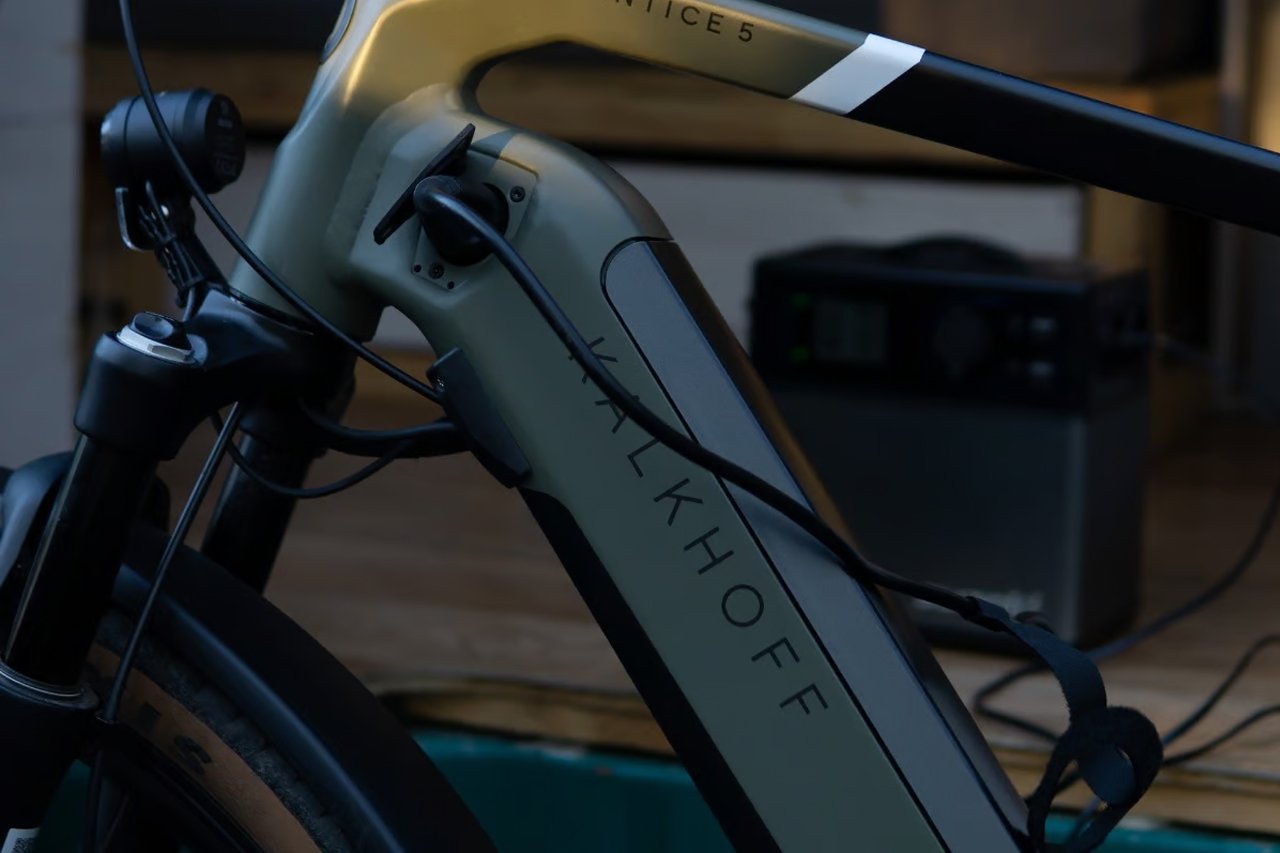
Another tip for travelling is to protect the battery. Although e-bike batteries are generally waterproof, they benefit from protection against extreme weather conditions. This is because lithium-ion batteries always feel most comfortable between 10 and 25 degrees. If you are travelling in very cold or hot temperatures, you should bear this in mind, as the battery will discharge more quickly. In cold or wet conditions, for example, you can attach a special battery protector to wrap your battery in cotton wool, so to speak. At the height of summer, shade is the best option: if you park your e-bike outside, avoid direct sunlight on the battery. This way, you can maintain your e-bike battery at any temperature.
4. Pamper your battery regularly
Have you just come back from an e-bike tour? Then you can give your battery some extra care. Regular cleaning will reward you with more power, a longer service life, and a greater range. When cleaning, remove any dirt and dust from the contacts and use a soft or damp cloth for cleaning. Avoid harsh cleaning agents that can damage the surface of the bike battery. Make sure that no moisture penetrates the contacts or the housing.
5. Battery storage: create a home for your battery
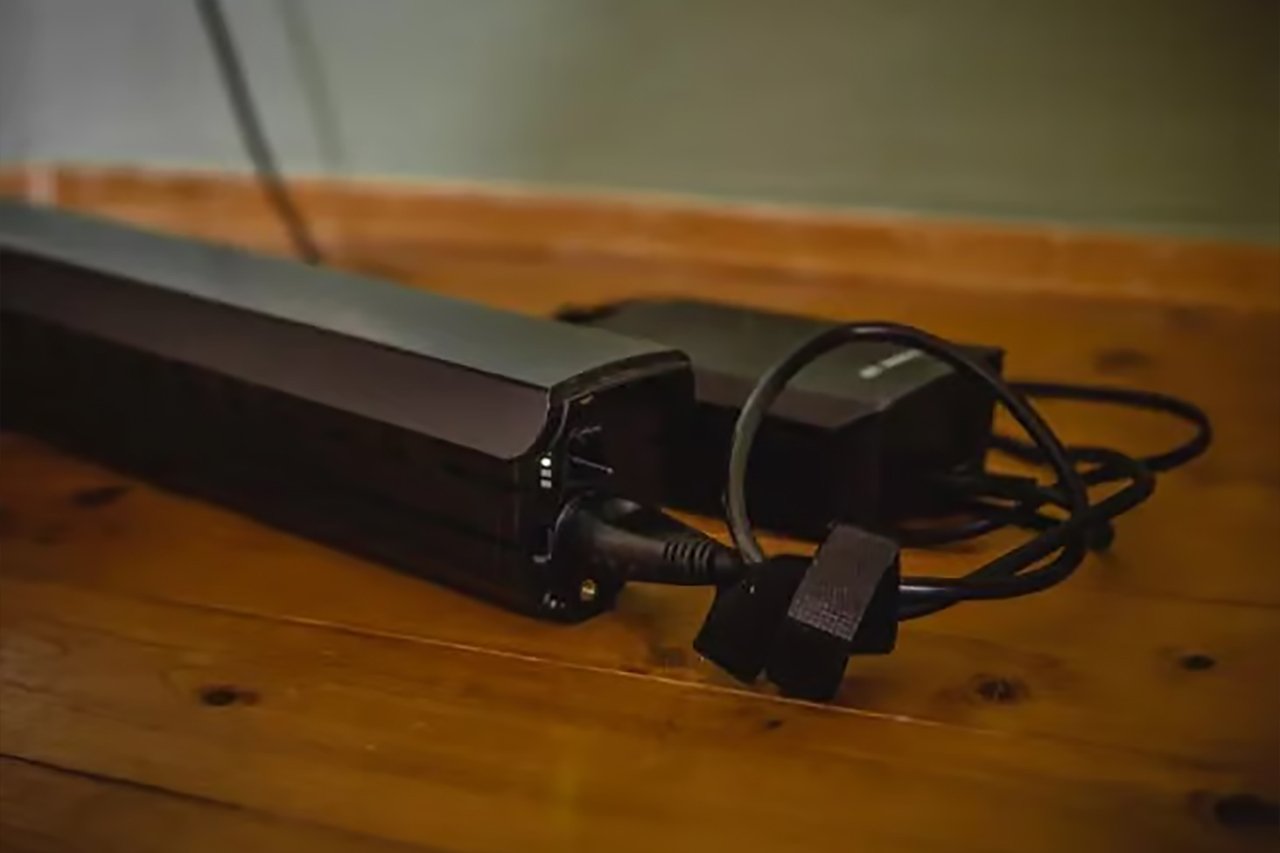
If you’re not planning to use your e-bike for a long period, it’s best to take the battery out and store it inside your home. This protects the battery from possible damage caused by moisture and temperature fluctuations. Make sure that your battery is stored in a dry and well-ventilated room at a temperature between 10 and 20 degrees. Avoid direct sunlight and do not position the battery near radiators or other heat sources. A charge level of 30 to 60 per cent is ideal for storage to protect the cells from deep discharge.
6. Keep your e-bike and its software in top shape
With cars, regular servicing is a must. And it is also important for e-bikes. A regular check is also a factor that can help your battery. One reason is that many manufacturers continually provide software updates that enhance the motor and, in turn, the battery.
By the way: Good bike maintenance can also influence the range of your e-bike. That's because when all parts are working reliably and correctly adjusted – for example, the tyre pressure or the gears – the strain on the battery and motor is minimised.
7. E-bike battery care: pay attention to the signals from your battery
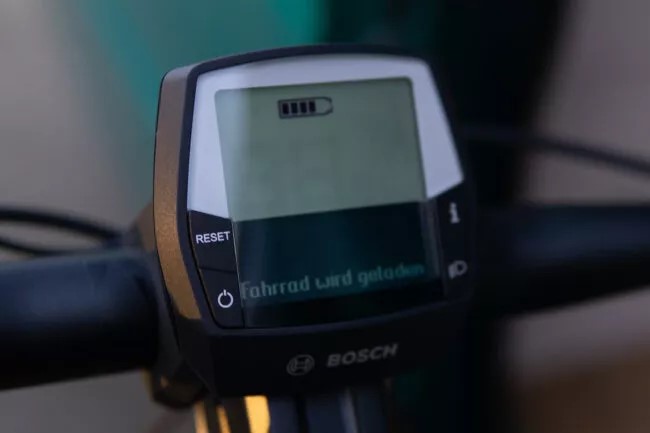
Monitor your battery's performance and look for signs of deterioration in battery capacity. If you notice that your e-bike's range is decreasing or the charging time is increasing significantly, it could be time to check or replace the battery. In this case, contact a specialist dealer or the manufacturer to discuss the best course of action.
Good to know. The following will damage your e-bike battery:
Extreme temperatures
Storage outside room temperature
Complete discharge (also through self-discharge)
Cleaning with large quantities of water or a high-pressure cleaner
Non-original charging accessories
Permanently high support level when riding
Challenging terrain
E-bike battery care - Conclusion
Let's be clear: E-bike battery care and the right charging method for an e-bike battery are crucial for its service life and performance. A smooth riding style and protecting the battery from extreme weather conditions can also help to increase the service life of the battery. Correct storage in a dry, ventilated room with an ideal charge level is also important. Regular maintenance and inspection can also extend the service life and range of your battery and therefore your own riding enjoyment. It is also worth paying attention to signs that indicate a deterioration in the battery capacity in order to consider checking or replacing the battery if necessary. You will see: Your e-bike battery will thank you.
ADVICE
Everything you need to know about e-bikes. From technology and purchasing to daily use.
DEALER SEARCH
You can easily find a specialist dealer near you using our dealer search.
KALKHOFF WARRANTY
Register your Kalkhoff e-bike and enjoy a 10-year warranty on all e-bike frames.